
Water Features in the Garden - Aquatic Gardening

Whether it's a small fountain feature or a full-blown pond, water in the Garden can add a feeling of relaxation and peace.
Not only can a water feature add aesthetic beauty to the Garden, it also appeals to many natural garden helpers, like pollinators and birds. Water sources are also attractive to wildlife, so you may even see an increase in rabbit, groundhog, and even deer populations. This, of course, can also prove to be a nuisance if you have certain plants that are considered “tasty” to these visitors, so keep this in mind when planning your water feature!
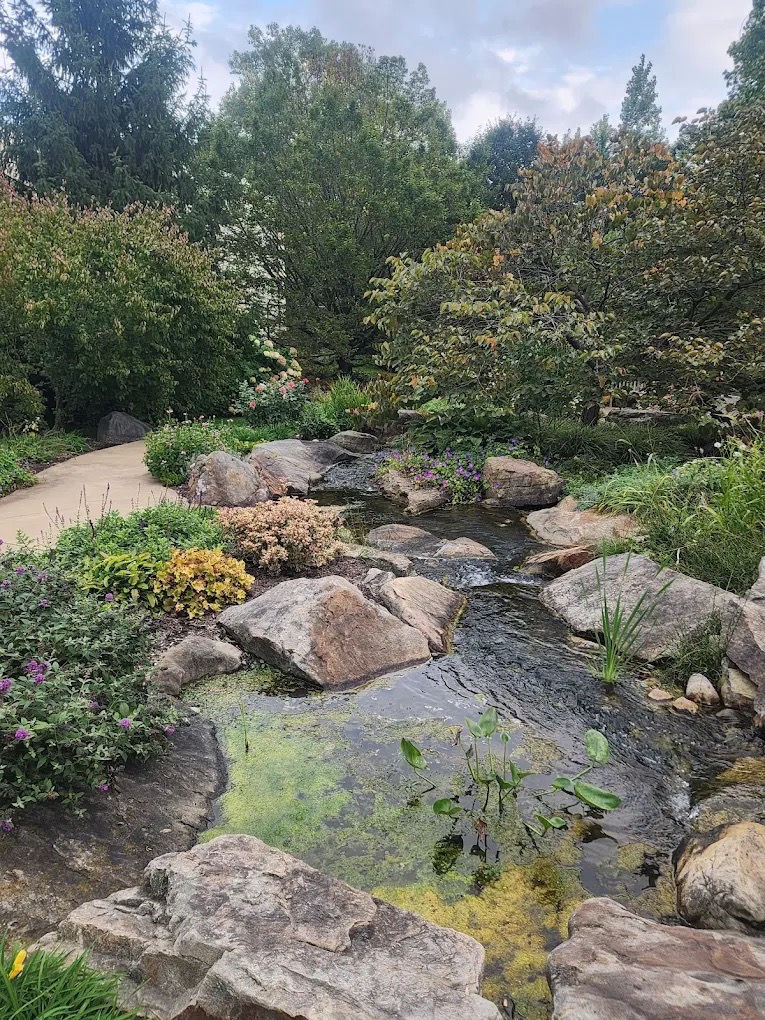
Other things to consider when planning your water feature:
Location is key! Your water feature should be somewhere it can easily be enjoyed, such as near a patio or seating area. It also needs to be close to a water source for easy filling and/or flow. If you’re planning on having a fountain, waterfall, or anything that would require a pump, consider the location of electrical hookups. Keep in mind where trees are; falling leaves can accumulate and clog pumps. Also keep safety in mind, such as where powerlines run underground, and whether or not small children will have access to the feature.
There are a few general rules whether you’re doing a small fountain feature or a large pond. Even with a liner or preformed pool, the hole should be lined with at least two inches of sand to protect it from rocks or other potentially puncturing objects. Size depends on how much of a variety of plants (or even fish) you would like your feature to have, but most aquatic plants require a depth of at least two feet. Do your research on the size of pump you will require for your fountain, waterfall, or just a little movement to prevent the water from becoming stagnant. Keep your design intent in mind when placing rock and stone around the edges.


Selecting Plants
Depending on the size of your water garden, certain plants will work better than others. Some aquatic plants grow completely underwater, while others root to the bottom and reach up to the surface. Others simply float on the water's surface. Native plants to consider are spike rush (Eleocharis palustris), American waterweed (Elodea canadensis), spatterdock (Nuphar lutea), fragrant water lily (Nymphaea odorata), and blue flag (Iris versicolor).
Heidi Meadows
Horticulturist


Comments